



How AI Co-Pilots Are Transforming the Role of Digital Marketers in 2026
The year 2026 marks a defining moment in the evolution of digital marketing. Artificial Intelligence (AI) has moved beyond being just a support system—it has become a partner in strategy and execution. The concept of AI Co-Pilots has emerged as one of the biggest revolutions, changing how digital marketers plan, create, and analyze their campaigns. These AI-powered assistants are not replacing marketers but are working alongside them, empowering professionals to focus on creativity, strategy, and innovation while handling repetitive and data-heavy tasks more efficiently.
What Exactly Are AI Co-Pilots in Marketing?
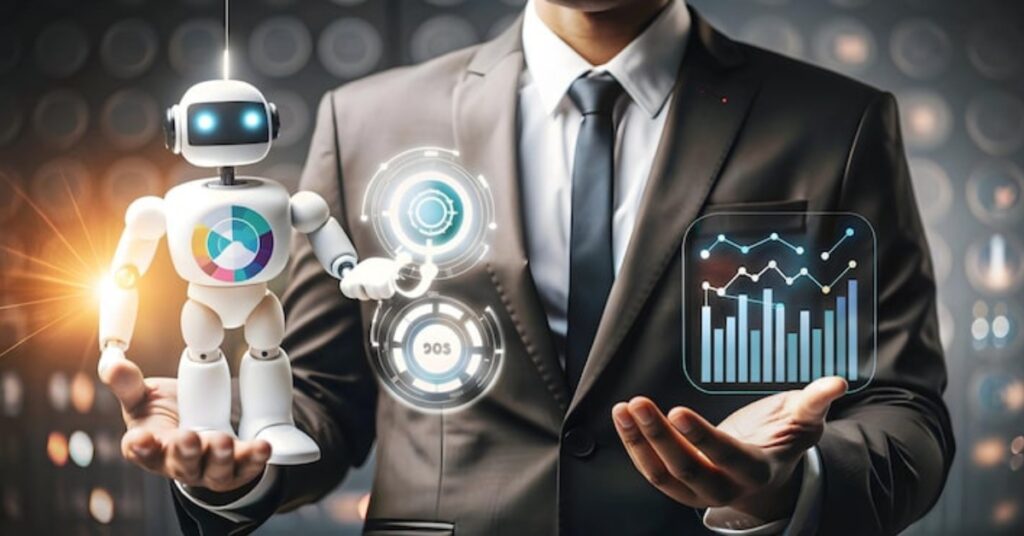
AI Co-Pilots are intelligent digital assistants powered by advanced machine learning and natural language processing models. They integrate directly into marketing tools and workflows to assist marketers in real-time decision-making. From suggesting campaign headlines and analyzing customer behavior to generating ad copies and predicting performance trends, AI Co-Pilots act as a virtual partner that enhances productivity and accuracy. These systems learn continuously from user data and interactions, becoming smarter and more personalized over time.
The Shift from Automation to Collaboration
A few years ago, marketing automation was considered a game-changer. It helped professionals schedule campaigns, automate emails, and segment audiences efficiently. However, in 2026, AI Co-Pilots have taken this a step further by turning automation into collaboration. Instead of following fixed rules, they analyze live data, adapt strategies, and provide intelligent recommendations that match real-time trends. This evolution has allowed marketers to make informed creative decisions without getting buried under endless data analysis.
How AI Co-Pilots Are Changing the Daily Work of Marketers
The biggest transformation brought by AI Co-Pilots is how marketers spend their day. Routine tasks like keyword research, content ideation, A/B testing, and performance reporting are now handled in seconds. Marketers can ask an AI Co-Pilot to generate 10 ad variations, optimize them for engagement, and even predict which one will perform best—all before launching a campaign. In social media, AI tools can plan, schedule, and analyze posts, learning from audience interactions to refine strategies automatically. This not only saves time but ensures campaigns are continuously improving without manual intervention.
Enhanced Personalization and Predictive Insights
In 2026, personalization is not a choice—it’s an expectation. AI Co-Pilots help marketers analyze vast amounts of user data to understand customer preferences at an individual level. They can craft hyper-personalized email content, product recommendations, or social media messages based on real-time behavior. Moreover, with predictive analytics, these co-pilots forecast trends before they happen. For example, they can predict when a customer is most likely to convert or when a campaign might underperform, allowing marketers to act proactively instead of reactively.
Boosting Creativity with AI Assistance
Contrary to popular belief, AI doesn’t limit creativity—it enhances it. AI Co-Pilots assist marketers in brainstorming new content ideas, writing SEO-friendly articles, designing ad visuals, and creating video scripts. Tools like ChatGPT, Jasper, and Canva Magic Studio are prime examples of AI-driven co-pilots that blend creativity with intelligence. They can analyze what kind of content resonates with audiences and suggest new angles, color schemes, or layouts to capture attention. This allows marketers to focus on strategic storytelling rather than repetitive creative production.
Real-Time Optimization and Performance Tracking
In traditional marketing, campaign analysis used to happen after launch. With AI Co-Pilots, optimization happens in real time. These systems monitor ad performance, click-through rates, bounce rates, and engagement metrics continuously. When they detect issues—like poor-performing keywords or underperforming visuals—they instantly recommend changes or even apply automatic adjustments. This level of agility ensures marketing budgets are utilized efficiently, and campaigns achieve maximum impact without wasting valuable time.
Skill Transformation for Future Marketers
As AI Co-Pilots become an integral part of marketing, the required skill set for professionals is evolving. Marketers now need to understand how to use AI tools effectively, interpret data insights, and make strategic decisions based on machine intelligence. Skills such as prompt engineering, data literacy, and AI-driven campaign management are becoming essential. Rather than replacing marketers, AI Co-Pilots are encouraging them to upskill and focus on higher-level thinking, creativity, and brand strategy. Those who learn to collaborate effectively with AI will find themselves in high demand.
Ethical and Strategic Considerations
While AI Co-Pilots bring incredible benefits, they also come with challenges that marketers must address responsibly. Data privacy, algorithmic bias, and over-reliance on automation are valid concerns. Ethical marketers in 2026 ensure transparency in how AI is used, protect user data, and maintain human oversight in every decision. Companies that balance AI efficiency with ethical standards will earn greater trust from consumers and long-term brand loyalty.
The Future of AI Co-Pilots in Marketing
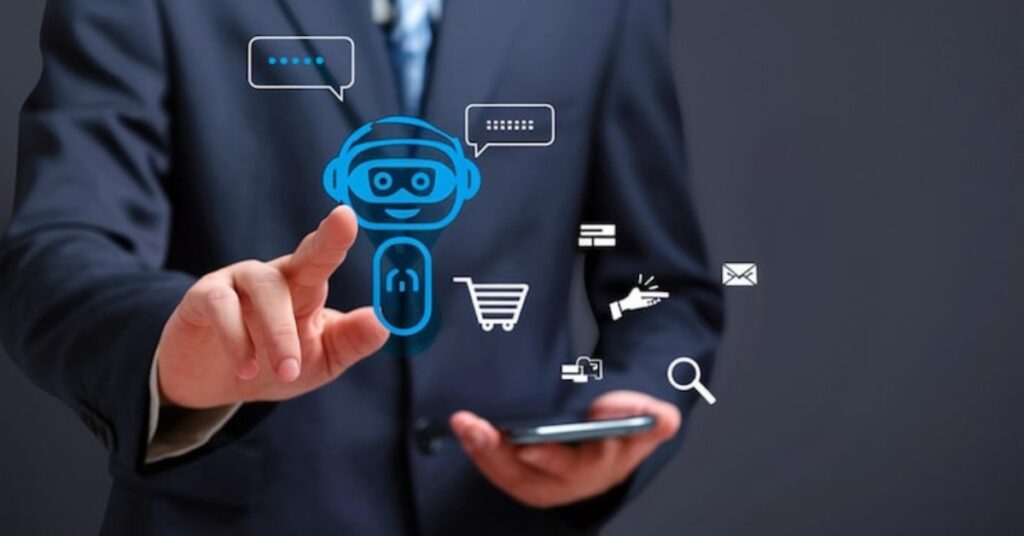
Looking ahead, AI Co-Pilots will become even more integrated into the marketing ecosystem. They will move beyond assistance into full-scale strategy management, capable of planning campaigns from start to finish. Future tools may even simulate customer emotions or predict viral trends before they happen. This will push marketers to shift from task execution to creative direction and innovation management, ensuring they remain the human force behind every technological advancement.
Conclusion
AI Co-Pilots are not replacing digital marketers—they are redefining what it means to be one. By automating repetitive work, offering real-time insights, and amplifying creativity, these tools empower marketers to focus on innovation, storytelling, and data-driven strategies. In 2026, the most successful professionals will be those who know how to collaborate with AI, interpret its insights, and maintain the human touch in digital communication. At Digi Edu Learning, students are trained to master the latest AI tools and co-pilot technologies through practical learning and hands-on projects. The institute ensures that aspiring marketers not only understand digital platforms but also learn how to harness AI as a creative and strategic partner. By bridging human intelligence with machine precision, Digi Edu Learning prepares students to become the future-ready marketing leaders of tomorrow.
4 responses to “How AI Co-Pilots Are Transforming the Role of Digital Marketers in 2026”
Leave a Reply
Popular News



Our Partners





Login process is super fast and secure. I appreciate the stability of the platform even during peak hours. Give bosdolarlogin a try if you want a reliable site.
The login process is seamless and I never encounter any glitches. Everything just works perfectly on 24jiliparklogin.
The VIP perks are actually meaningful and make the experience feel premium. Great service all around for jilifvip
Solid performance and very reliable service. The slot games are fair and the rewards are generous. I’m definitely sticking with armorbet78slot for a long time.