



How to Transition from Student to Digital Marketing Professional in 2026
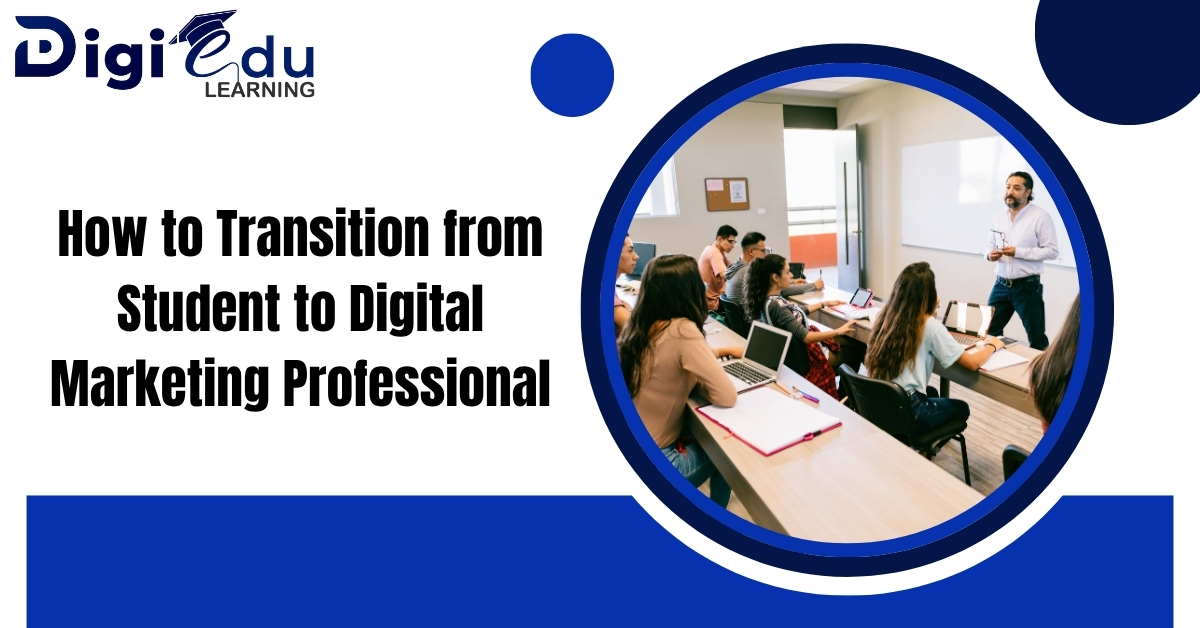
In 2026, digital marketing continues to be one of the most in-demand career paths for students across all fields. With every business relying on online visibility and branding, skilled marketers are essential for growth. However, making the transition from being a student to a successful digital marketing professional can feel challenging. It’s no longer enough to know the basics; you need strategy, practical experience, and adaptability.
Understanding the Digital Marketing Landscape in 2026
Before entering the industry, students must first understand how digital marketing has evolved. In 2026, marketing is driven by artificial intelligence, data analytics, and personalized content. Platforms like Google, Meta, and LinkedIn have become more algorithm-driven, demanding marketers who can think analytically and creatively. Fields like influencer marketing, voice search optimization, AI automation, and video-first content are growing rapidly. To succeed, you must not only learn digital marketing tools but also know how to use them strategically to deliver measurable results.
Build a Strong Foundation with Core Skills
Every professional digital marketer begins with mastering the core skills. These include search engine optimization (SEO), social media marketing, pay-per-click advertising (PPC), email marketing, and content strategy. Students should start by understanding how these areas connect — for example, how SEO supports content marketing or how social media ads drive traffic to landing pages. Learning these fundamentals through structured courses helps you develop a 360-degree marketing mindset. This foundation becomes the base for exploring advanced and specialized domains later in your career.
Focus on Practical Learning, Not Just Theory
Many students make the mistake of only studying concepts without applying them. In 2026, employers are looking for practical experience, not just certifications. Working on hands-on projects, live campaigns, and real-world assignments helps you understand how theories translate into outcomes. Try building your own website, running a social media campaign, or optimizing blog content for search engines. These exercises not only improve your technical skills but also build confidence and a professional portfolio that showcases your abilities to recruiters.
Learn to Use Modern Marketing Tools
Digital marketing professionals rely heavily on tools to analyze data, manage campaigns, and optimize results. Tools like Google Analytics, SEMrush, Ahrefs, HubSpot, Meta Ads Manager, and Mailchimp are essential for any marketer. In 2026, AI-driven platforms like ChatGPT for content generation, Jasper for copywriting, and SurferSEO for optimization are also becoming mainstream. Learning how to use these tools effectively gives you a strong edge over others and helps automate repetitive tasks, allowing you to focus on strategy and creativity.
Create a Personal Brand Online
Before you help others grow online, you should build your own digital presence. Your social media profiles, portfolio website, and LinkedIn page should reflect your skills, achievements, and understanding of digital marketing. Regularly post insights, share results of your campaigns, or write blogs about marketing trends. A strong personal brand acts as a digital resume and helps you attract clients, freelance opportunities, or job offers. Employers often check how candidates market themselves before trusting them with their brand’s digital growth.

Gain Freelance or Internship Experience
Internships and freelance projects are stepping stones to a full-time digital marketing career. They provide exposure to real business challenges and client expectations. Students should seek internships that allow them to work across various marketing channels — from SEO and content to paid ads and analytics. Freelancing on platforms like Upwork or Fiverr also helps develop client communication, time management, and project handling skills. Even if the projects are small, they add credibility to your portfolio and give you results you can showcase during interviews.
Specialize in a Niche
Digital marketing is vast, and specialization helps you stand out. Once you’ve mastered the basics, identify which area excites you the most — content strategy, SEO, performance marketing, influencer collaborations, or marketing automation. By 2026, niche roles such as AI marketing strategist, data-driven content creator, and e-commerce growth specialist are in high demand. Becoming an expert in one field while maintaining a broad understanding of others makes you more valuable to employers and clients.
Network with Industry Professionals
Networking is one of the fastest ways to grow in digital marketing. Join online communities, attend webinars, and engage with professionals on LinkedIn. Participate in marketing events, hackathons, and workshops to connect with people already working in the industry. Networking helps you stay updated on the latest trends and may even lead to job referrals or collaborations. The more you engage with professionals, the more visibility you gain in the digital marketing ecosystem.
Stay Updated with Industry Trends
The digital marketing world evolves rapidly. What works today may not work tomorrow. In 2026, marketers need to continuously update their skills with the latest AI tools, automation techniques, and platform algorithms. Follow reputed marketing blogs, listen to podcasts, and subscribe to newsletters from Google, HubSpot, and SEMrush. Staying informed ensures your strategies remain relevant and effective, keeping you ahead of other candidates in the competitive job market.
Build a Strong Portfolio and Resume
Your portfolio should be the centerpiece of your professional identity. Include real projects, performance reports, campaign analytics, and creative samples. Show how you contributed to measurable outcomes — like improving website traffic, engagement rates, or conversions. A results-driven portfolio speaks louder than certificates. Combine this with a well-structured resume that highlights both your technical and creative strengths to make a lasting impression on recruiters.

Prepare for Job Interviews and Client Meetings
When transitioning from student to professional, you must also learn to communicate your ideas confidently. Employers and clients value marketers who can explain campaign strategies, justify decisions using data, and present insights clearly. Practice mock interviews, case study discussions, and client presentations. Understanding how to express your thoughts effectively can help you secure roles faster and earn trust as a marketing professional.
Conclusion
Becoming a digital marketing professional in 2026 requires more than just academic knowledge. It demands hands-on experience, strong communication skills, and continuous learning. Students who combine practical training, tool expertise, and personal branding will have a clear edge in this growing field. To successfully make this transition and become industry-ready, Digi Edu Learning offers advanced digital marketing programs with real-world projects, internship support, and expert mentorship to help you turn your learning into a successful career.
Popular News

Our Partners





Leave a Reply