



Free vs Paid Digital Marketing Courses – Which is Better?

In today’s digital-first world, digital marketing has become an essential skill for students, professionals, and entrepreneurs alike. With the rise of online learning platforms, individuals now have access to both free and paid digital marketing courses. While free courses attract learners with no financial investment, paid programs claim to provide in-depth training, certifications, and career opportunities.
The Appeal of Free Digital Marketing Courses
Free digital marketing courses are widely available on platforms such as Google Digital Garage, HubSpot Academy, and Coursera. These courses are designed to make knowledge accessible to a large audience without financial barriers. For beginners, free courses are an excellent way to understand the basics of SEO, social media, content marketing, and email campaigns. The affordability factor makes them especially attractive to students and professionals who want to explore digital marketing before committing to a paid program. However, free courses often focus only on fundamental concepts. They provide surface-level knowledge and limited practical exposure, which may not be sufficient for learners aiming to build a career in this competitive field.
Limitations of Free Courses
While free courses provide an easy entry point, they come with certain limitations. Firstly, they usually lack depth in advanced topics such as marketing automation, paid advertising strategies, or data analytics. Secondly, free programs often do not provide live projects, internships, or hands-on experience, which are crucial for applying digital marketing skills effectively. Another drawback is the absence of personalized guidance. Since free courses are typically self-paced and pre-recorded, learners may struggle with doubts or practical challenges without mentorship. Furthermore, most free certifications have limited recognition in the job market, meaning they may not carry as much weight on a resume compared to certifications from reputed institutes or universities.
Why Paid Digital Marketing Courses Stand Out
Paid digital marketing courses, offered by specialized institutes and platforms, go beyond just providing theoretical knowledge. These courses are structured with comprehensive modules, live sessions, mentorship, and real-world projects. By investing in a paid program, students gain access to a systematic learning experience that covers beginner to advanced-level strategies. Paid courses also ensure that learners work with industry-standard tools such as Google Analytics, SEMrush, Canva, and HubSpot, which are essential in professional environments. Another key benefit of paid courses is career support. Institutes often provide resume-building workshops, mock interviews, and job placement assistance, helping students transition smoothly into the workforce. This kind of structured approach is rarely available in free courses.
Practical Exposure and Internships
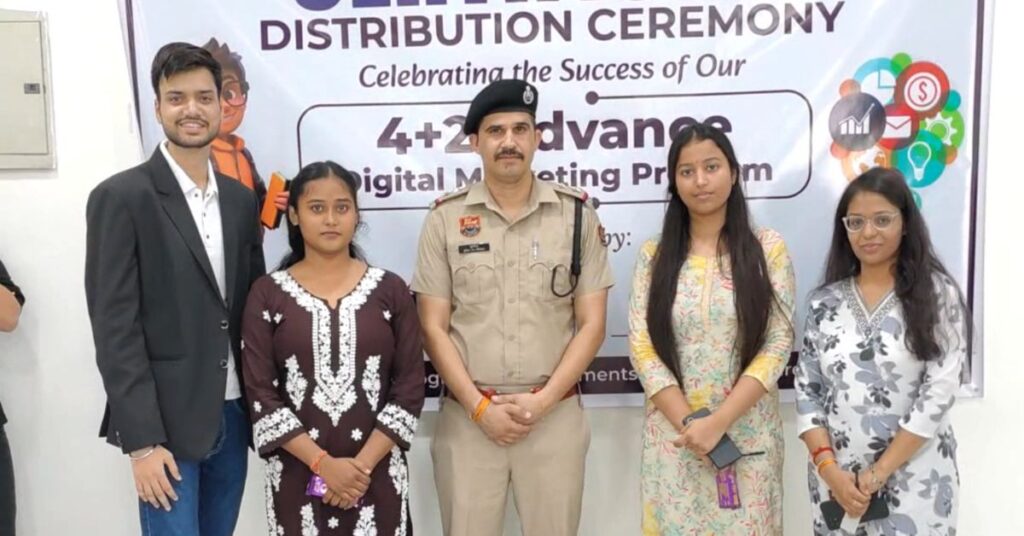
One of the most significant differences between free and paid courses lies in practical exposure. Digital marketing is a skill-based industry where employers value hands-on experience over theory. Paid courses often include live projects, case studies, and even internships that allow learners to apply concepts in real business scenarios. For instance, students may get opportunities to design ad campaigns, optimize websites, or run social media accounts during training. This practical exposure not only strengthens understanding but also builds a portfolio that can be showcased to potential employers. Free courses, on the other hand, may explain how these processes work but rarely give learners a chance to practice them in a structured environment.
Certification and Recognition in the Industry
While free courses do provide certificates, their acceptance in the job market is relatively limited. Employers often look for certifications from established institutes or advanced programs that demonstrate deeper expertise. Paid digital marketing courses typically offer certifications that are highly valued, sometimes in collaboration with industry leaders like Google, Meta, or HubSpot. These certifications act as proof of competency and increase employability. Moreover, some paid courses include multiple certifications, covering specific areas like SEO, PPC, or social media marketing, which further adds value to a learner’s resume. In contrast, free certifications may help beginners enhance their profiles but do not always convince employers of a candidate’s professional readiness.
Mentorship and Networking Opportunities
Another advantage of paid courses is the mentorship and networking support provided to students. Experienced trainers not only teach but also guide learners with career advice, industry insights, and feedback on projects. Additionally, students enrolled in paid programs often become part of alumni communities or professional networks that open doors to job referrals and freelance opportunities. Networking with peers and industry experts is a crucial element of professional growth, and this level of support is usually missing in free courses, where learners study independently without interaction or community engagement.
Long-Term Career Value
When evaluating free versus paid courses, it is also important to consider long-term career benefits. Free courses can be a good starting point to test interest and learn fundamentals, but they may not provide the level of training required to secure high-paying jobs or freelance clients. Paid courses, on the other hand, offer a structured path that helps learners transition from novice to professional. By gaining advanced knowledge, practical exposure, and recognized certifications, students of paid courses position themselves more competitively in the digital marketing industry. Employers are more likely to hire candidates with proven training, and clients prefer freelancers who can demonstrate credible expertise.

Which One Should You Choose?
The choice between free and paid digital marketing courses depends on your goals. If you are simply exploring the field or want to build a basic understanding, free courses are a good place to start. However, if your objective is to establish a career, secure a job, or grow as a freelancer, investing in a paid program is the smarter choice. Paid courses ensure that you not only learn theory but also apply skills through practice, gain industry-recognized certifications, and receive career guidance that free platforms cannot provide.
Conclusion
Free digital marketing courses are excellent for beginners who want to explore the basics without financial investment, but they have limitations in depth, recognition, and career outcomes. Paid courses, while requiring investment, deliver comprehensive training, practical experience, industry certifications, and career support that truly prepare students for professional success. Choosing the right path depends on your career ambitions and how serious you are about entering the digital marketing industry. At Digi Edu Learning, students are provided with an advanced curriculum, hands-on training, internships, and globally recognized certifications. By combining practical exposure with expert mentorship, Digi Edu Learning ensures learners are not just job-ready but also equipped to thrive in the competitive digital marketing landscape.
Popular News

Our Partners





Leave a Reply